Best Cosmetic Dentist in Rajajinagar

Skip to content

Child Dental Check-ups in Rajajinagar, Bangalore are not just about checking for cavities, they are about giving children a healthy start that supports their oral health as they grow. Many parents assume a dental visit is only necessary when a child complains of pain, but by the time discomfort appears, a small problem may have already become a larger one.
Every stage of childhood brings changes in the mouth. Baby teeth appear, permanent teeth begin to erupt, and eating habits evolve. During these years, regular dental examinations help identify concerns early while also teaching children how to care for their teeth correctly. Instead of treating preventable dental problems, the goal is to stop them from developing in the first place.
At Dr. Hiremath Charitable Dental Hospital, we believe preventive care creates confident smiles and healthier futures. A positive dental experience during childhood often leads to better oral health habits that continue well into adulthood.

Parents naturally pay attention when a child develops a fever or catches a cold, yet oral health problems often progress quietly. Tooth decay can begin without causing pain, making it difficult to notice at home.
A routine dental examination allows the dentist to spot subtle changes that parents may not see. Tiny areas of enamel damage, food-trapping spaces between teeth, or early gum irritation can all be identified before they become complicated.
Children are also learning new eating habits every year. Some enjoy chocolates after school, others sip sweetened drinks throughout the day, while many develop a habit of frequent snacking. These everyday choices can slowly increase the risk of cavities if proper oral care isn’t maintained.
Regular dental visits give families practical advice based on the child’s age rather than generic recommendations. Small improvements in daily habits can make a significant difference over time.
One reason regular dental examinations are so valuable is that childhood is a period of constant growth.
A six-year-old’s mouth looks very different from that of a three-year-old. By the time children reach eight or nine years of age, several permanent teeth have usually appeared. Around the early teenage years, most of the adult teeth have erupted.
Each stage requires different attention.
The dentist monitors:
These observations help identify potential concerns before they affect speech, chewing, or future orthodontic treatment.
Parents sometimes believe cavities develop only because children eat chocolates. While sugary treats certainly contribute, tooth decay usually develops because of a combination of daily habits.
For example, a child may:
When these habits continue for months, bacteria remain on the teeth longer, producing acids that slowly weaken the enamel.
The encouraging news is that these habits are also the easiest to improve. Small changes introduced early often prevent larger dental problems later.
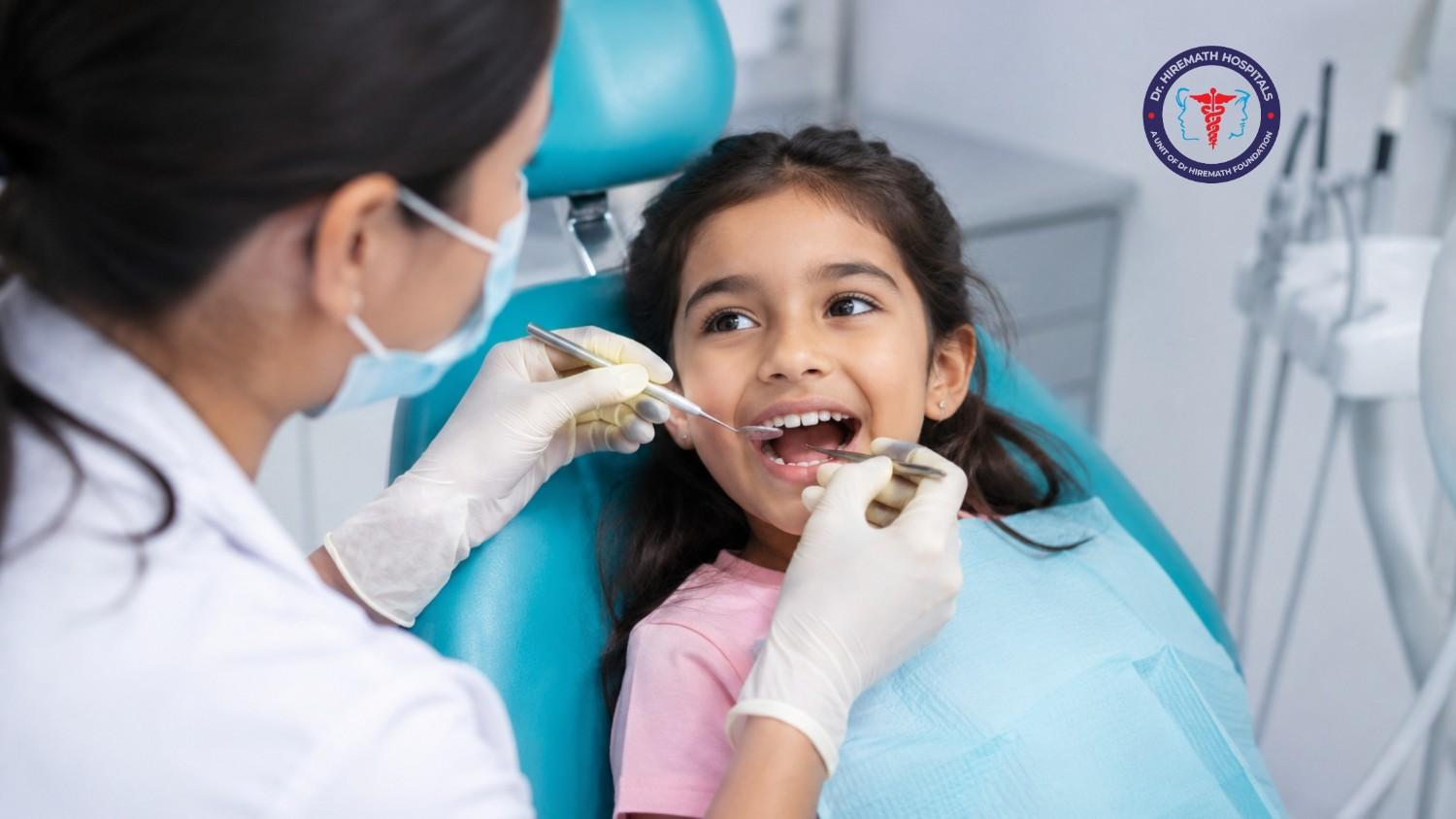
Many children imagine a dentist simply counting teeth with a small mirror. In reality, a routine examination provides a complete picture of a child’s oral health.
During the appointment, the dentist carefully evaluates the condition of each tooth, the gums, tongue, cheeks, and supporting tissues. Bite development is also assessed because the way upper and lower teeth meet affects chewing and long-term dental health.
If required, digital X-rays may be recommended to identify concerns hidden beneath the surface. These images help detect decay between teeth, monitor developing permanent teeth, and evaluate jaw growth.
Parents also receive guidance on brushing techniques, toothpaste selection, diet, and preventive care suited to their child’s age.
Every visit becomes an opportunity to educate both the child and the family.
One of the greatest benefits of early dental care has nothing to do with fillings or treatments.
It is confidence.
Children who become familiar with the dental clinic from a young age usually feel relaxed during future appointments. They recognize the environment, understand what happens during an examination, and gradually build trust with the dental team.
On the other hand, children whose first dental visit happens because of severe pain often associate the dentist with fear and discomfort.
Parents can make appointments easier by speaking positively about dental visits. Instead of saying, “Don’t worry, it won’t hurt,” explain that the dentist is simply checking whether the teeth are healthy and strong.
Simple encouragement before and after the visit helps children develop a healthy attitude toward oral care.
Healthy teeth are supported not only by brushing but also by everyday nutrition.
Foods rich in calcium, phosphorus, vitamins, and minerals help strengthen developing teeth. Fresh fruits, vegetables, dairy products, eggs, and whole grains contribute to stronger enamel and healthier gums.
Equally important is limiting how often sugary foods are consumed.
A child who eats a chocolate once during the day generally has a lower risk than a child who snacks on sugary foods multiple times over several hours. Frequent exposure gives harmful bacteria more opportunities to produce acids that attack the teeth.
Water is another simple but powerful habit. Drinking water after meals helps wash away food particles and supports a cleaner oral environment.
Rather than completely banning treats, families benefit more from encouraging balance and consistency.
Modern dentistry offers excellent solutions for treating cavities, but preventing them remains the simplest option.
Regular Child Dental Check-ups in Rajajinagar, Bangalore allow dental professionals to identify early warning signs before discomfort develops. Small areas of concern can often be managed with preventive care instead of extensive treatment.
Preventive dentistry also helps children maintain their natural teeth, reduces unexpected dental emergencies, and minimizes school absences caused by tooth pain.
For parents, prevention often means fewer stressful dental visits and lower long-term treatment costs.
Children do not always describe dental discomfort clearly. Instead of saying a tooth hurts, they may avoid chewing on one side or suddenly refuse cold foods.
Parents should schedule a dental examination if they notice:
Even if none of these signs are present, routine check-ups remain important because many dental problems develop silently.
Children learn by watching their parents.
When brushing becomes a family routine rather than a daily reminder, children are more likely to develop lifelong healthy habits.
Parents can encourage oral health by:
Consistency matters more than perfection. Small healthy habits repeated every day often produce lifelong benefits.
Every child deserves the opportunity to grow with strong, healthy teeth. Regular Child Dental Check-ups in Rajajinagar, Bangalore help families stay ahead of dental problems rather than reacting after they appear. From monitoring tooth development to preventing cavities and guiding healthy habits, routine dental visits support every stage of a child’s growth.
At Dr. Hiremath Charitable Dental Hospital, our focus is on creating a comfortable, child-friendly environment where prevention comes first. Through gentle examinations, personalized guidance, and timely preventive care, we help children build healthy smiles with confidence.
Scheduling regular dental check-ups today can make a lasting difference to your child’s oral health for many years to come.
Regular child dental check-ups in Rajajinagar, Bangalore help detect cavities, plaque buildup, and early signs of tooth decay before they become serious. A pediatric dentist in Rajajinagar can provide professional cleaning, fluoride treatments, and personalized oral hygiene advice to keep your child’s teeth healthy and strong.
Most dentists recommend scheduling child dental check-ups in Rajajinagar, Bangalore every six months. Regular visits to a children’s dental clinic in Bangalore allow early detection of cavities, monitor tooth development, and ensure your child receives the right preventive dental care at every stage.
During child dental check-ups in Rajajinagar, Bangalore, the dentist examines the teeth and gums, checks for cavities, evaluates bite development, removes plaque, and may recommend fluoride application or dental sealants. These preventive treatments significantly reduce the risk of tooth decay in children and support long-term oral health.
Yes. Routine child dental check-ups in Rajajinagar, Bangalore are one of the most effective ways to prevent cavities and tooth decay. Combined with proper brushing, a balanced diet, and guidance from a pediatric dental care specialist, regular visits help maintain healthy teeth and identify problems before they worsen.
When selecting the best child dentist in Rajajinagar, look for a clinic that specializes in children’s dental care, offers preventive treatments, uses child-friendly techniques, and provides a comfortable environment. Regular child dental check-ups in Rajajinagar, Bangalore with an experienced pediatric dentist can help your child develop healthy oral habits for life.