Affordable Dental Treatment in Rajajinagar

Skip to content

Your mouth can reveal changes in your dental health long before they begin affecting your daily routine. A tooth may look normal while decay develops in a difficult-to-see area. Gums may gradually become unhealthy without causing significant pain. Even a previously treated tooth can develop a new problem over time.
These changes explain why dental care should not begin only when something hurts. A regular oral examination gives you an opportunity to understand your current dental condition, discuss concerns with a dentist, and learn which preventive measures are suitable for you.
For individuals and families looking for a Dental Check-Up in Rajajinagar, Bengaluru, understanding the purpose of a routine examination can make dental visits feel more worthwhile. Rather than focusing only on individual teeth, a check-up considers the overall condition of your mouth and helps identify areas that may require attention.
Dr. Hiremath Charitable Dental Hospital in Rajajinagar provides a local point of contact for patients enquiring about dental care. This article explores the importance of oral examinations, what dentists assess during an appointment, common warning signs, and practical ways to maintain dental health between visits.

Looking at your teeth in a mirror is useful, but it has limitations. You may notice a broken tooth, visible discolouration, or swollen gums. However, changes between adjacent teeth, beneath existing restorations, and around the gumline can be harder to identify without professional assessment.
A dentist examines your mouth using appropriate clinical methods and considers your dental history before deciding whether further investigation is necessary.
For example, someone who experiences occasional sensitivity may have a different underlying problem from someone who notices bleeding gums. Both symptoms deserve attention, but they do not necessarily require the same treatment.
A professional examination helps distinguish between possible causes instead of relying on assumptions or home remedies.
For residents searching for a dentist in Rajajinagar, Bengaluru, this is one of the main benefits of arranging a routine appointment: receiving guidance based on an individual assessment rather than guessing what a symptom means.
A dental examination provides information about several aspects of oral health.
Your dentist checks for visible cavities, cracks, worn surfaces, and other changes. If a particular area looks suspicious, additional assessment may be needed to understand the extent of the problem.
Gum tissue provides support around the teeth. Changes such as persistent bleeding, swelling, recession, or tenderness may indicate a problem that needs attention.
Fillings, crowns, bridges, and dental implants may require periodic review. The dentist can look for visible damage, changes around restorations, or symptoms that need further investigation.
The tongue, cheeks, palate, and other parts of the mouth may also be examined. Unusual patches, persistent sores, or unexplained changes should be evaluated appropriately.
Your dentist may ask how often you brush, whether you clean between your teeth, and whether you experience dry mouth or frequent sensitivity. These details can help shape practical recommendations for your daily routine.
Dental X-rays are not automatically necessary for every patient. Their use depends on the clinical findings, dental history, and the information needed to make an appropriate assessment.
Busy schedules, work commitments, and family responsibilities can make dental appointments easy to postpone. When several years pass without an examination, it becomes more difficult to know whether your teeth and gums have changed.
A check-up can establish your current oral-health status and help you decide what needs attention now and what should be monitored over time.
If you are searching for a dental hospital in Rajajinagar, Bengaluru, because you have delayed your last visit, explain this to the dentist. Your examination can then be planned around your current needs.
Discomfort when biting, sensitivity to cold drinks, or pain when chewing can arise for different reasons. Possible causes include tooth decay, cracks, exposed tooth roots, gum problems, or other dental conditions.
These symptoms cannot be diagnosed reliably through an online article alone.
A dental assessment helps investigate the cause and determine whether treatment is necessary. If the discomfort is persistent or worsening, arrange an appointment rather than waiting for it to disappear.
Repeated gum bleeding should not be treated as an ordinary part of brushing. It may be associated with plaque-related inflammation or another condition affecting the gums.
Your dentist can assess the tissues around your teeth and explain whether you need changes to your oral hygiene routine, professional cleaning, or more specific periodontal care.
Avoid brushing aggressively in an attempt to remove the bleeding. Gentle, consistent cleaning and appropriate professional advice are more useful.
Dental restorations can remain functional for many years, but their condition should not be assumed to be unchanged forever.
A filling may wear, a crown may develop a problem at its margin, or the tissues surrounding an implant may become inflamed.
If you have previously received restorative dental treatment, ask your dentist how frequently the treated area should be reviewed. The answer depends on the type of restoration, your oral hygiene, and your clinical condition.
People often receive general advice to brush twice daily, but they may still struggle with plaque accumulation, bad breath, or difficulty cleaning around crowded teeth.
An examination allows the dentist to identify areas that need extra attention and demonstrate suitable cleaning techniques.
The recommendations may be different for someone with healthy gums, someone with gum disease, and someone wearing braces. Personalised guidance is more useful than following every dental-care trend you encounter online.
Preventive dental care focuses on assessing oral health, reducing avoidable risks, and identifying potential problems before they become more complicated.
Emergency dental treatment, by contrast, addresses an immediate concern such as severe pain, trauma, or swelling.
Both are important, but they serve different purposes.
A person who attends regular examinations may have an opportunity to discuss small changes before they become urgent. However, routine check-ups cannot eliminate every risk, and some conditions develop even when a person follows good oral hygiene.
This is why a balanced approach matters: maintain your daily routine, follow an appropriate examination schedule, and seek prompt attention when new symptoms appear.
For people seeking preventive dental care in Rajajinagar, Bengaluru, the aim should be to maintain oral health over time rather than waiting until treatment becomes unavoidable.
Your dentist should recommend an appointment interval based on your oral-health needs rather than a fixed schedule that applies to everyone.
For many people, an examination approximately every six months is a reasonable starting point. Others may need visits more frequently because of existing dental problems or a higher risk of developing them.
Factors that may affect your review schedule include:
If your oral health is stable, your dentist may recommend a different interval. If you have symptoms, do not wait for the next routine appointment.
Knowing what happens during a dental appointment can help you prepare and ask useful questions.
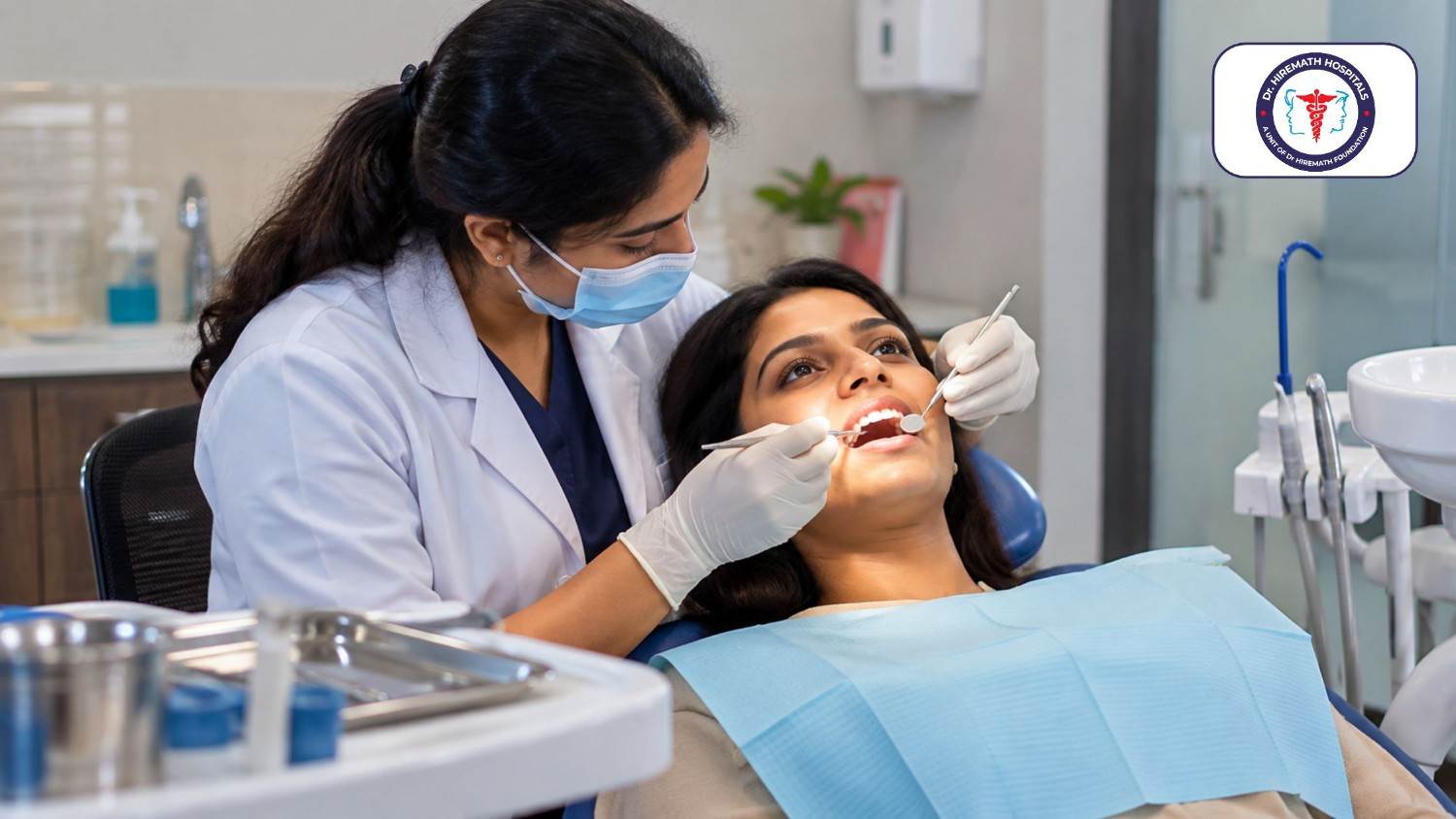
First, your concerns are discussed. You may be asked about pain, sensitivity, bleeding gums, previous treatments, medications, and relevant medical conditions.
Next, the dentist examines your mouth. The examination may include your teeth, gums, existing restorations, bite, and other oral tissues.
Additional investigations may be recommended. Depending on the findings, the dentist may suggest X-rays or other diagnostic procedures to investigate a particular concern.
The findings are explained. You can ask what the dentist has identified, whether treatment is necessary, and what options are available.
A care plan is discussed. This may include home-care advice, professional cleaning, treatment recommendations, or a suitable follow-up schedule.
A routine dental examination does not mean that every patient requires scaling, fillings, or another procedure. Treatment should be recommended according to clinical need.
No. Examination and professional cleaning are related services, but they are not the same procedure.
A dental examination evaluates your oral health. Professional cleaning removes plaque and hardened tartar that cannot be removed adequately with ordinary brushing.
Some people accumulate tartar more quickly than others. Gum health, oral hygiene, tooth alignment, and individual circumstances can all influence whether professional cleaning is recommended and how often it may be needed.
If you are looking for dental cleaning in Rajajinagar, Bengaluru, ask whether the appointment includes an examination, scaling, or both. Confirming the services beforehand also helps you understand any separate charges.
Your daily habits play an important role in keeping your teeth and gums healthy.
Clean your teeth consistently. Brush twice a day using fluoride toothpaste and a soft-bristled toothbrush.
Pay attention to the spaces between teeth. Use dental floss or suitable interdental cleaning aids according to your dentist’s advice.
Reduce frequent sugar exposure. Repeatedly consuming sugary foods and drinks can increase the risk of tooth decay.
Look after your gums. Brush gently along the gumline and seek advice if bleeding continues.
Avoid tobacco. Smoking and chewing tobacco can damage oral tissues and increase the risk of serious oral disease.
Follow care instructions for dental work. Crowns, dentures, braces, and implants may require specific cleaning methods.
Respond to changes promptly. Persistent discomfort, swelling, broken teeth, or unusual oral changes should be assessed professionally.
These measures help support oral health but do not replace an examination when a dental problem is suspected.
Choosing a dental facility involves more than finding the nearest location. Patients should consider professional qualifications, cleanliness, communication, appropriate diagnostic facilities, and clear explanations of treatment options and charges.
It is also useful to ask what a proposed procedure involves, whether alternatives are available, and whether additional visits may be required.
Dr. Hiremath Charitable Dental Hospital is located in Rajajinagar, Bengaluru. The hospital states that consultation and doctor fees are free under its charitable model, with patients paying for materials used in treatment. Contact the hospital directly to confirm the current terms, available services, appointment arrangements, and any applicable material charges.
If you are planning a dental check-up, explain your concerns when enquiring about an appointment. This helps the dental team guide you towards the appropriate service.
Looking after your teeth involves more than responding to pain. Changes in your gums, tooth surfaces, existing restorations, and other oral tissues may develop gradually and require professional attention.
A Dental Check-Up in Rajajinagar, Bengaluru can help you understand your current oral health, discuss potential concerns, and receive advice suited to your needs. Combined with consistent home care and timely attention to new symptoms, regular examinations form a practical part of maintaining a healthy smile.
Contact Dr. Hiremath Charitable Dental Hospital in Rajajinagar to enquire about dental examinations, available services, and applicable treatment charges.
Yes. An examination can be useful even when you feel no discomfort because some dental problems develop without obvious symptoms. The dentist can assess your current condition and recommend whether any preventive measures or further investigations are needed.
If you want your oral health assessed, arrange a dental examination. If you have accumulated tartar or need professional removal of deposits, cleaning may also be recommended. Your dentist can determine whether one or both services are appropriate after examining your mouth.
Explain any pain, sensitivity, bleeding, bad breath, jaw discomfort, previous dental treatments, medications, and relevant medical conditions. Even symptoms that occur occasionally may provide useful information when the dentist evaluates your oral health.
No. X-rays are recommended when the dentist needs additional information that cannot be obtained adequately through the examination alone. The decision depends on your symptoms, history, and clinical findings.
Plaque-related gum inflammation is a common cause, although other factors may contribute. Repeated bleeding should be assessed by a dentist, who can determine the cause and recommend suitable treatment or oral hygiene changes.